

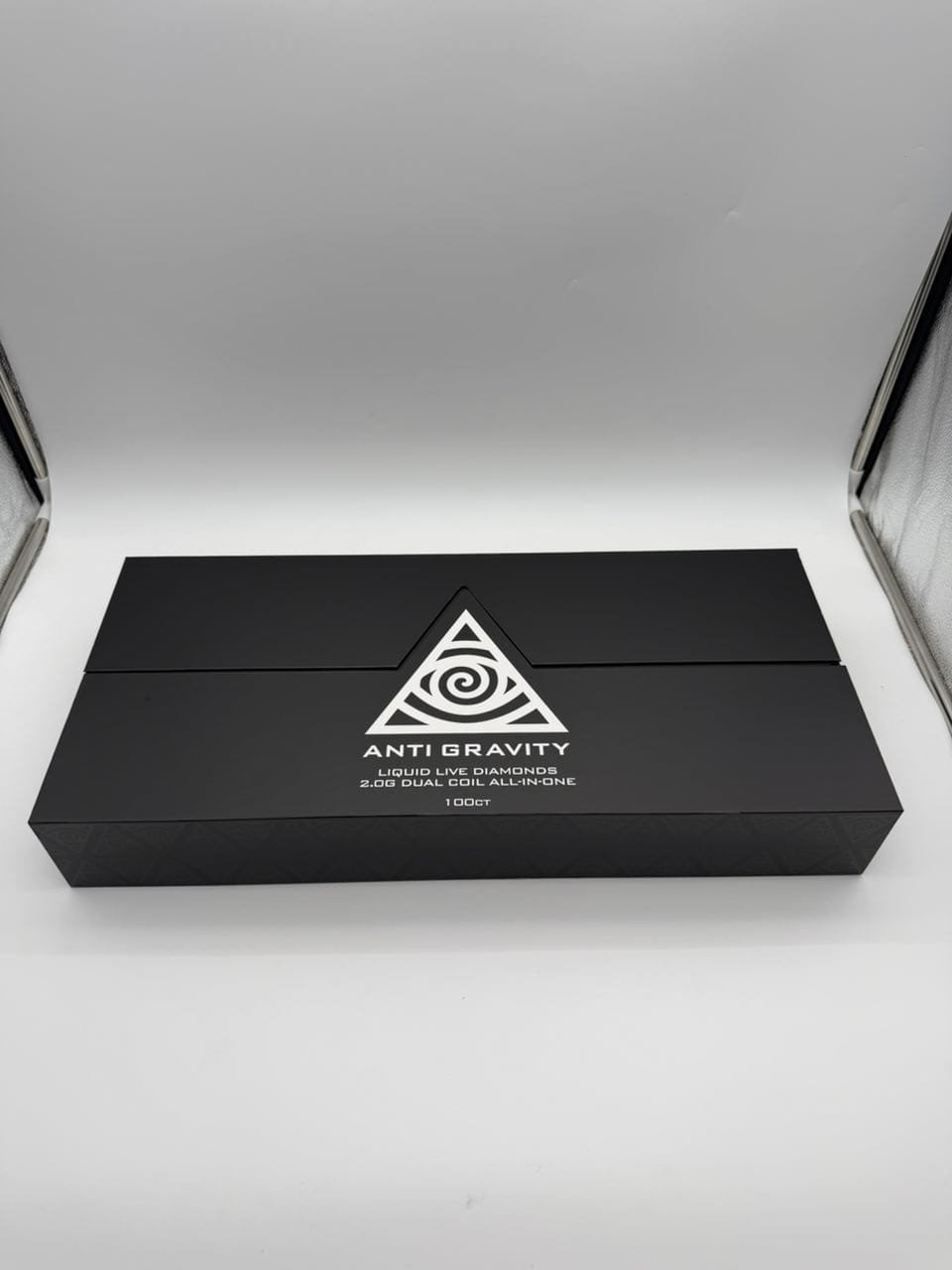
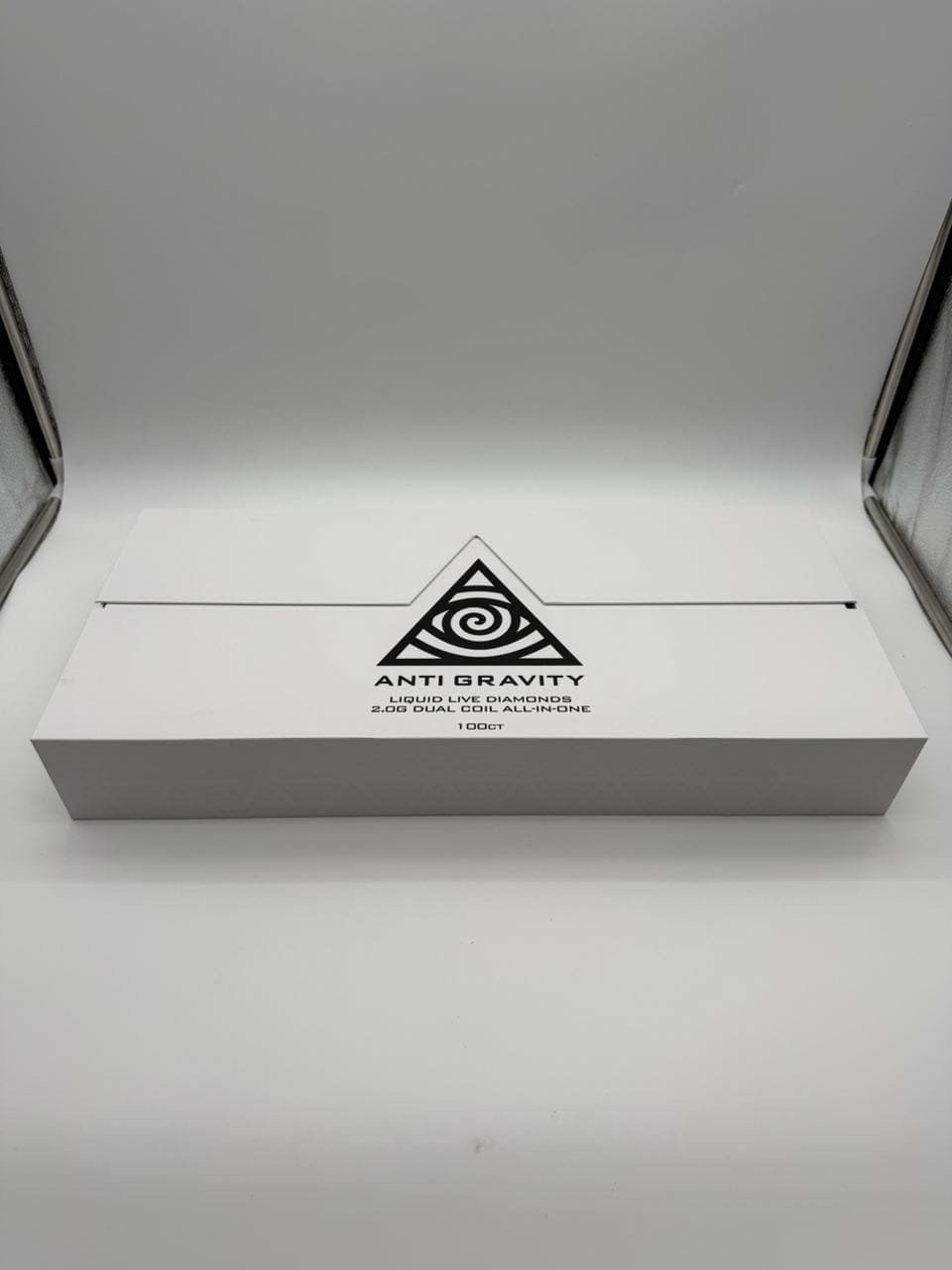
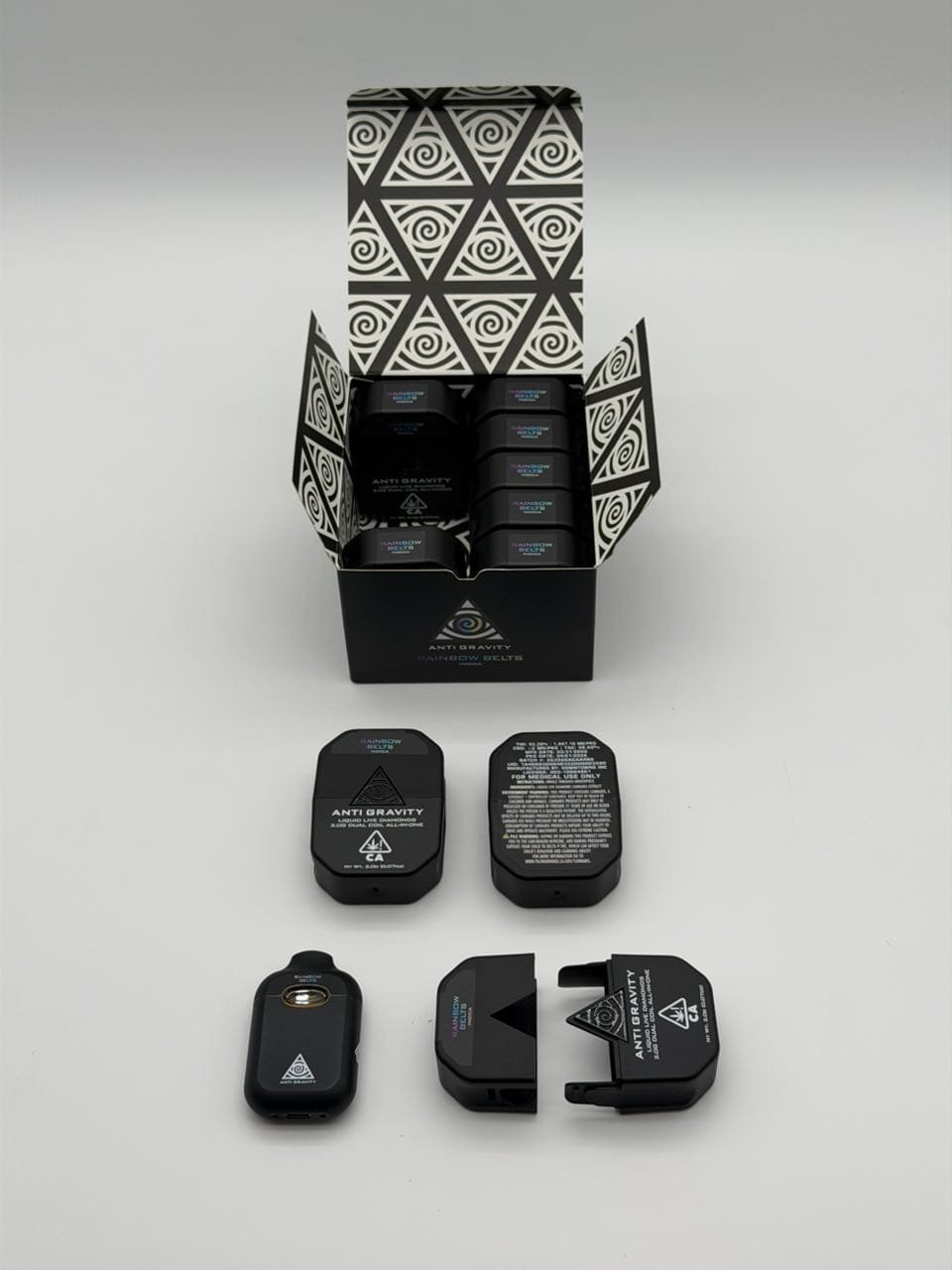
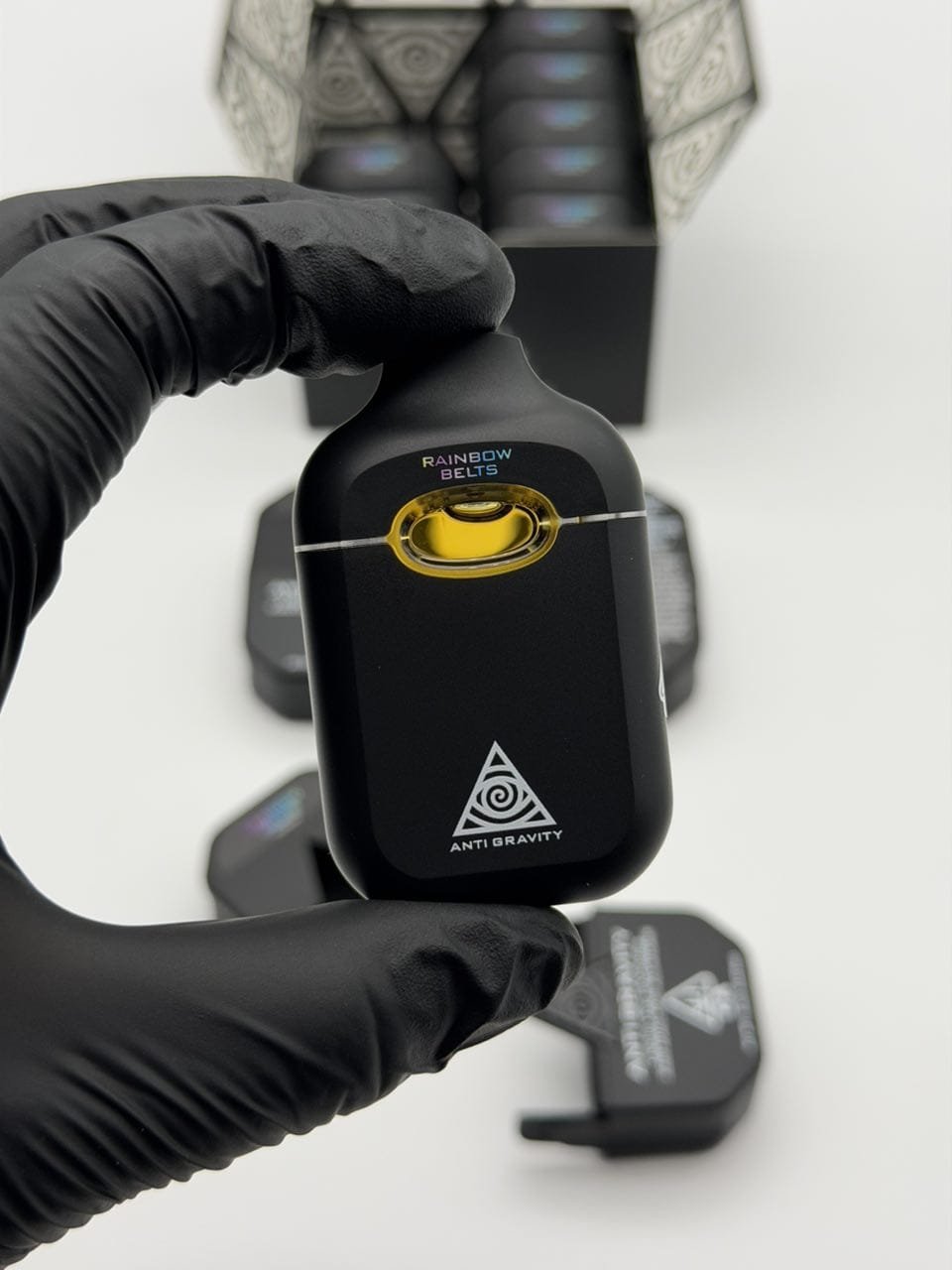
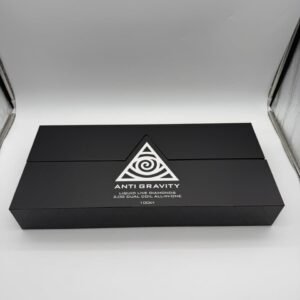

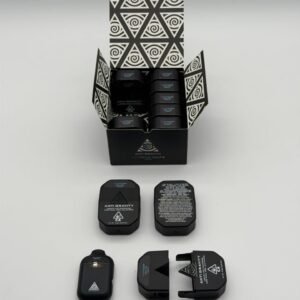
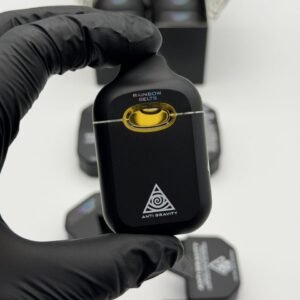
ANTI GRAVITY DISPOSABLE VAPES
$20.00
An educational overview of Anti Gravity disposable vapes, explaining how prefilled vape devices work, what they may contain, and essential safety considerations like lab testing, ingredient transparency, and responsible use.
Anti Gravity Disposable Vapes: An Educational Guide (2026)
The term “Anti Gravity disposable vapes” is commonly used online as branding for a category of single-use, prefilled vape devices. It’s important to understand that names like Anti Gravity are marketing labels, not standardized product definitions. This means devices sold under this name can vary in design, ingredients, and quality. This guide explains what disposable vapes are, how they work, what to look for on labels, and the key safety and verification practices—without promoting any specific product.
What Are 2G Disposable Vapes?
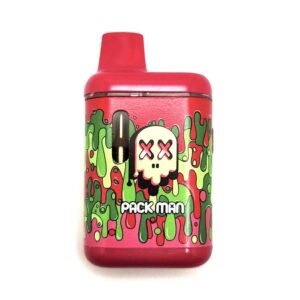
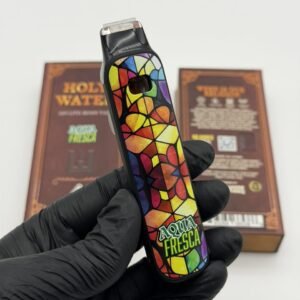
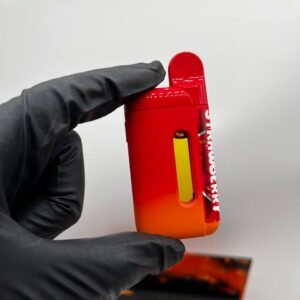
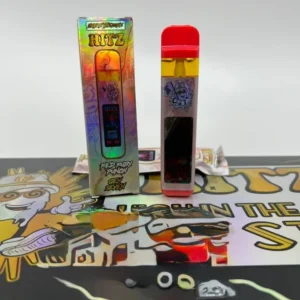
A disposable vape device is an all-in-one unit that includes:
- A built-in battery
- A prefilled liquid reservoir
- A heating element (coil) and wick
- An auto-draw sensor (inhale to activate)
These devices are designed for convenience and portability—no refilling, setup, or maintenance is required. They are typically used until the liquid is depleted or the battery runs out.
How Do They Work?
When you inhale:
- The sensor activates the battery
- The coil heats the liquid
- The liquid turns into an aerosol (vapor)
- The vapor is inhaled through the mouthpiece
This simple, button-free design is one reason disposable vapes are widely used.
What’s Inside the Device?
The contents of disposable vapes vary depending on region and product type, but commonly include:
- Carrier liquids: Propylene glycol (PG) and/or vegetable glycerin (VG)
- Flavor compounds: Food-grade ingredients
- Active ingredients: May include nicotine or other compounds, depending on local regulations
Because formulations differ, it’s essential to rely on clear labeling and independent verification.
Why Branded Disposables Get Attention
- Ease of use: Inhale-to-activate functionality
- Portability: Compact and travel-friendly
- Variety: Multiple flavor profiles and device styles
- Longevity options: Different capacities (e.g., 1g, 2g, or more)
However, branding such as “Anti Gravity” primarily reflects marketing and design, not guaranteed quality.
⚠️ Safety & Quality Considerations
1) Look for Lab Testing (COA)
A Certificate of Analysis (COA) from a third-party lab should confirm:
- Ingredient composition
- Strength levels
- Screening for contaminants (e.g., heavy metals, residual solvents)
Avoid products without transparent, batch-specific test results.
2) Understand Exposure & Use Patterns
Frequent use of disposable vapes may lead to:
- Throat or lung irritation
- Dizziness or nausea (depending on ingredients)
- Increased tolerance or dependence (if nicotine is present)
Moderation and awareness are important.
3) Device Handling & Storage
- Keep devices away from heat and direct sunlight
- Do not use if damaged, leaking, or overheating
- Avoid modifying or tampering with the device
4) Authenticity & Packaging
In some markets, packaging can be replicated:
- Brand names do not guarantee authenticity
- Labels may not accurately reflect contents
Use batch numbers, QR codes, and lab results to verify products.
5) Environmental Impact
Disposable vapes contain batteries and electronic components:
- Dispose of them through e-waste or battery recycling programs
- Follow local disposal regulations
Best Practices for Informed Choices
- Purchase from regulated or licensed retailers where applicable
- Check for clear ingredient lists and labeling
- Verify COA lab results
- Use responsibly and avoid continuous use
- Store securely and keep away from children and pets
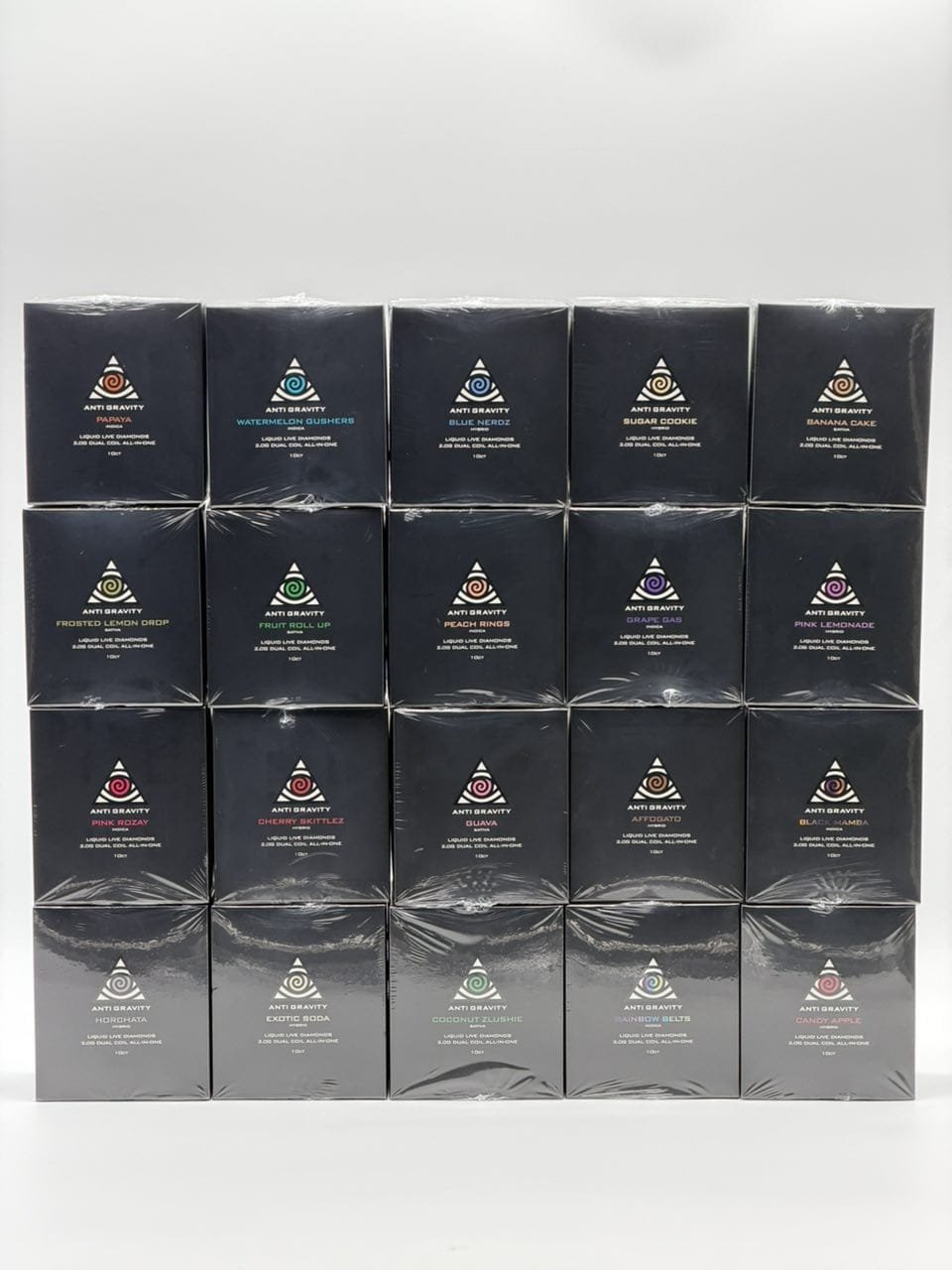
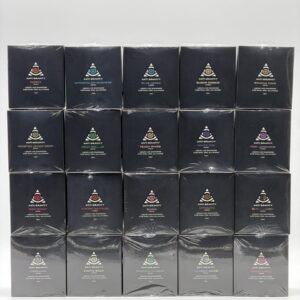
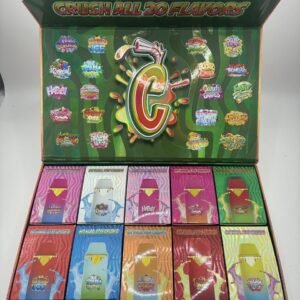
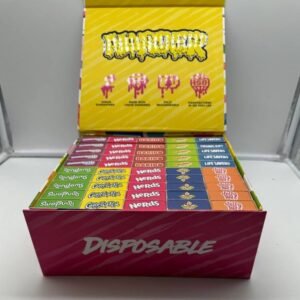
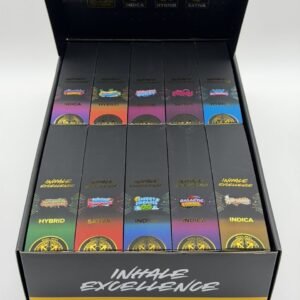
| Flavors | SUGAR COOKIE (H), FRUIT ROLL UP (S), CANDY APPLE (H), PAPAYA (I), BLUE NERDZ (H), PINK LEMONADE (H), PEACH RINGS (I), RAINBOW BELTS (I), GRAPE GAS (1), COCONUT ZLUSHIE (S) |
|---|
Related products

Carts Flavors


Cannatique-Farms


Live Resin
Disposable Carts
CBD Extracts
Carts Flavors

Disposable Carts

Disposable Carts

Disposable Carts


Carts Flavors
Carts Flavors



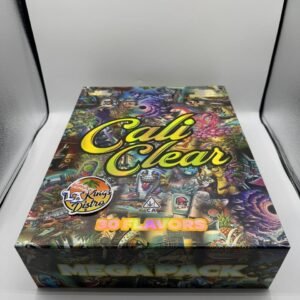
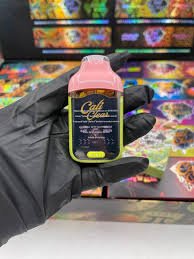
Carts Flavors
Carts Flavors


blog


CBD Extracts
Disposable Carts
Carts Flavors
Live Resin

Disposable Carts
CBD Extracts


Live Resin
Disposable Carts


Disposable Carts

CBD Extracts

CBD Extracts
Carts Flavors

Disposable Carts


CBD Extracts

Carts Flavors

Carts Flavors


CBD Extracts


Carts Flavors

Disposable Carts
Disposable Carts
Disposable Carts

Disposable Carts

Carts Flavors
Carts Flavors



Disposable Carts

Carts Flavors
Carts Flavors







Disposable Carts
Disposable Carts



Disposable Carts
Carts Flavors


Carts Flavors


Live Resin

CBD Extracts
Disposable Carts
blog


Carts Flavors


blog